
Viewing Kīlauea Eruption
Experience Pele's Power
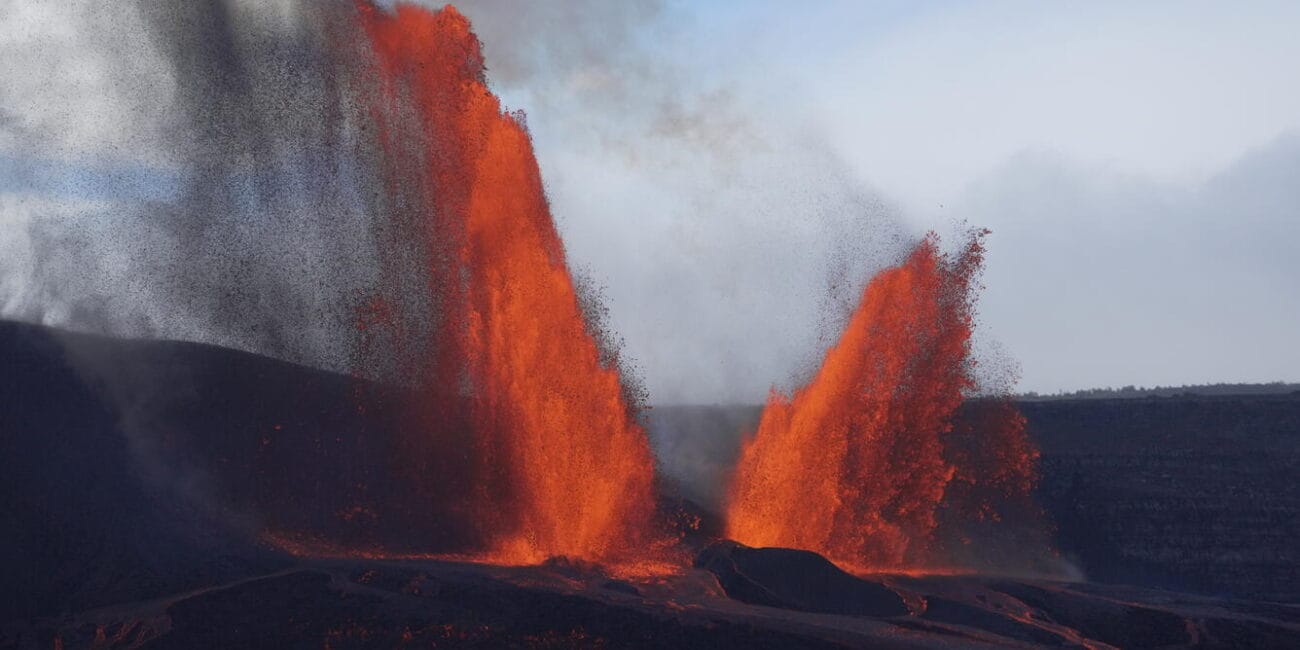
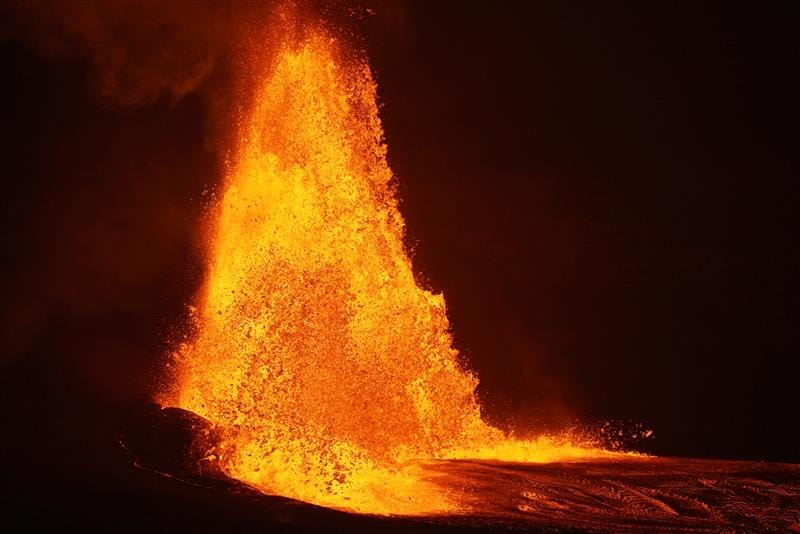
Kīlauea has been erupting in extraordinary fountaining episodes since December 2024. For those who visit during one of these episodes, you’re witnessing one of nature’s most powerful displays.
If your visit coincides with an eruptive episode, staying At the Crater’s Edge already gives an advantage over the crowds – once you get a notification that the volcano has begun erupting, you can be at the park in minutes, allowing you to get a head start on the crowds of people within a 30-mile radius that race to the park when eruptions happen.
Here are some of our other tips for viewing this breathtaking phenomenon.
Familiarize yourself with resources to keep up-to-date on the status of the eruption and sign up for tools that will notify you when an eruption begins so you can get there quickly and beat the crowds.
US Geological Survey (USGS) Hawaiian Volcano Observatory
The USGS provides estimates of the next eruption based on the volcano’s patterns and geological activity. You can read daily reports, sign up for eruption alerts, and watch live streams via webcams on their website.
- Daily Reports: https://www.usgs.gov/volcanoes/kilauea/volcano-updates
- Sign up for email notifications: Go to volcanoes.usgs.gov/vns2 to subscribe to the Volcano Notification Service. You can choose to receive alerts about Kīlauea specifically, ranging from major eruption updates to daily status reports.
- Watch Webcams: https://www.usgs.gov/volcanoes/kilauea/webcams
Accounts to Follow on Social Media:
- USGS Volcanoes: @USGSVolcanoes on X/Twitter and Facebook for real-time updates
- Hawaiʻi Volcanoes National Park: @HawaiiVolcanoesNPS on Instagram, Facebook, and X/Twitter for park updates, photos, and visitor information
- Local Enthusiasts & Photographers: We like to follow @808hiker, @twopineapples_aloha, and @aloha_kainoa.y on Instagram for spectacular photos, video, and commentary
- At the Crater’s Edge: @visitthevolcano on Instagram and Facebook; we repost news of eruptions when they happen!
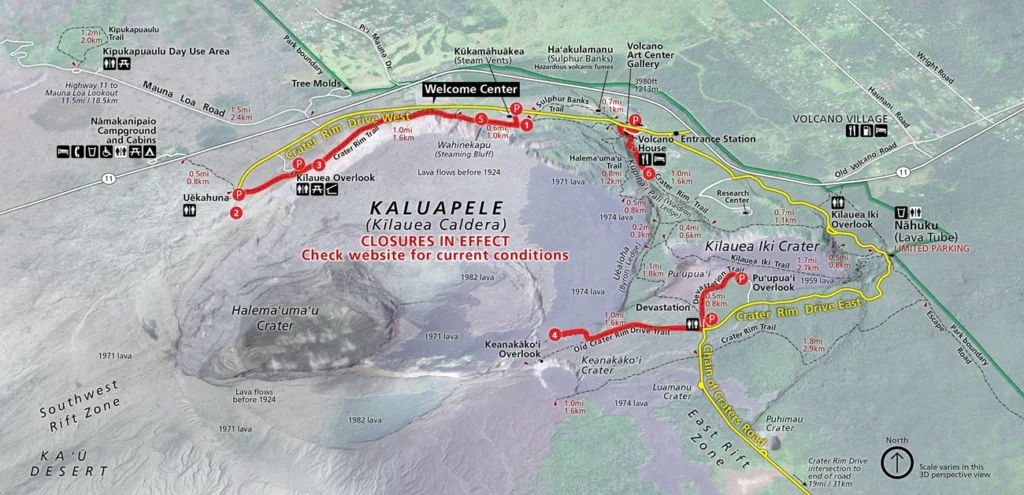
The National Park Service maintains a website with up-to-date information and tips for each location. The below map is also provided by them – the numbers indicate viewing spots and the closest parking lots are mapped as well.
These three spots are favorites of ours:
Volcano House Balcony
What to bring:
- Warm layers: It’s 4,000 feet elevation and temperatures drop at night, often into the 40s-50s°F. Bring a jacket, long pants, closed-toe shoes. This will also be helpful in protecting your skin against any ashfall, if there is any.
- Flashlight or headlamp: Essential for navigating in the dark. The paths are uneven. Use the red light mode to be friendlier to others on the trail. You can borrow a headlamp from us!
- Water, snacks, and packable meals: There are some water re-fill areas at the park, but bring more than you think you’ll need due to elevation. You may also find yourself wanting to stay longer than planned – have something for dinner in case restaurants are closed before you leave.
- Pre-downloaded maps and guides – don’t expect cell service!
- Patience and flexibility: Viewing areas and parking lots can get crowded during prime sunset/evening hours, especially on weekends. Consider arriving earlier or later to avoid the peak rush. Have a Plan A, B, and C.
- Sense of wonder: This is a truly amazing event you may get to experience. Take photos, and take time to just watch with your eyes. It is spectacular!
Timing your visit:
- Sunset: Arrive an hour before sunset to claim a good viewing spot and watch the transition from day to night. The changing light is beautiful.
- Late evening (9pm-midnight): Fewer crowds, darker skies, more dramatic glow.
- Early morning (before sunrise): Hardly anyone is there. You might have the crater to yourself. Watch the glow against the pre-dawn sky.
- 9 am – 5 pm: If you arrive between 9 am – 5 pm, lines are longer at the entrance because rangers take payments and check passes. Outside of these hours, cars drive in and passes must be purchased online.